Cart (0)
Simulating The Conditions and Stress of Combat
April 27, 2026
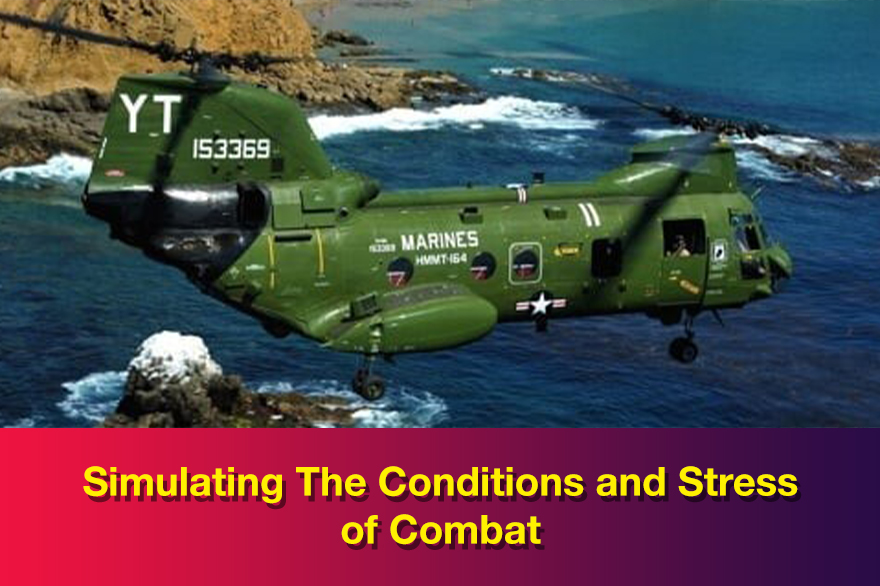
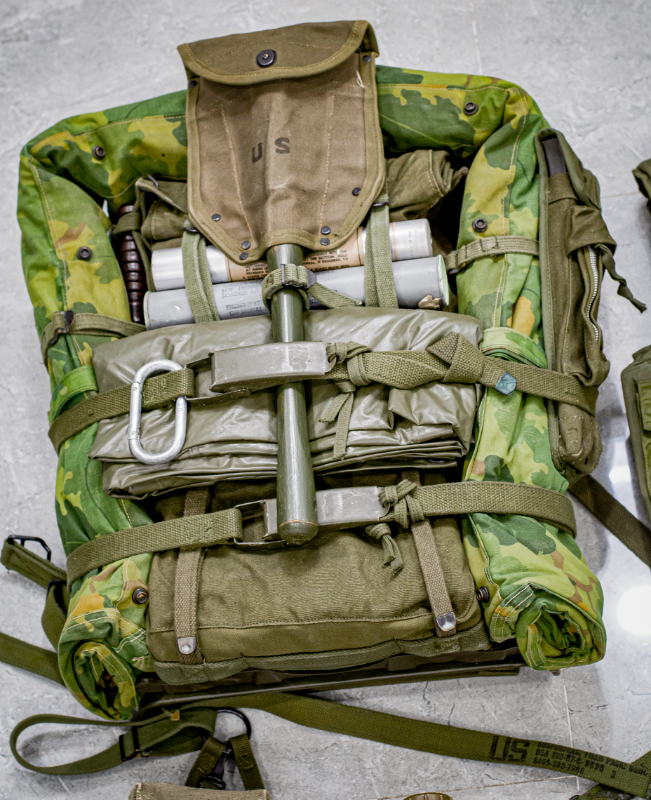 As training progressed, it seemed like the Marine Corps was more and more approximating the conditions, demands and stress of combat. Now, we carried our M14 rifles everywhere we went. Once we were issued our flak jacket, we wore them everywhere. And on more involved field problems, especially night and overnight problems, we wore full packs and cartridge belts. We were now carrying around about 40 pounds extra every day.
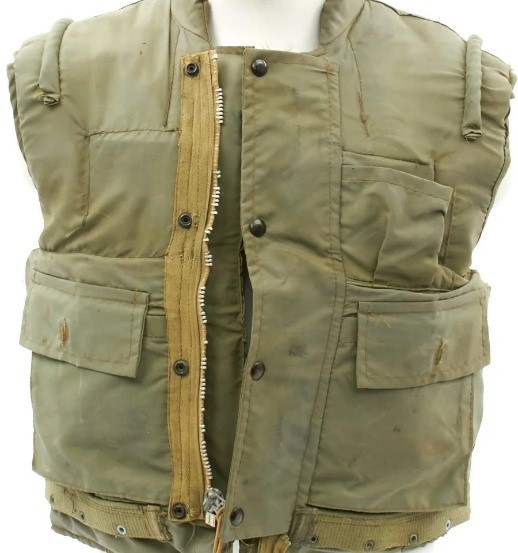 When not wearing our packs, we ran everywhere. We still carried our rifle and wore our flak jacket and cartridge belt as we ran. We were getting back later and later – sometimes as late as 11pm or 12am. But we still got up at 4am. Given the repercussions of falling asleep in class, my smoking quickly ramped up to a pack a day. Smoking cigarettes definitely increased my energy and alertness. I was soon addicted to smoking. I estimate that the majority of our 200 plus Marine company smoked.
Our training got both more interesting and more demanding. We learned squad tactics and patrolling. A Marine squad is 14 men: 3 fireteams, a radio man and the squad leader. A fireteam is 4 men: the fireteam leader, an automatic rifleman and 2 regular riflemen. We learned to squad night ambush which meant we set up after dark, stayed silently but awake in position until just before dawn, then quietly moved out. Bottomline, we got no sleep. Yet we still moved right into the next training day.
Given how hectic and exhausting our training schedule had become, we might go all week without a shower or a change of clothes. Little did I know at this point in time, but in combat in Vietnam, I might got a couple of months without a shower or a change of clothes. Real combat is hard physical work in the dirt and mud in addition to life and death danger.
To add to the physical challenge of our training, when we had a 2 or 3 day problem, we had to dig in every night. In real combat in Vietnam, we got mortared often by the North Vietnamese. Training in Camp Pendleton, we had no idea how lethal mortar attacks were, so, yes, we dug holes – about 2 feet by 3 feet by 2 feet deep. Which was still hard work in the hard ground of Pendleton with our entrenching tool. But our holes were a joke compared to the holes we dug in-country Vietnam with the terrifying threat of real mortar attacks. But we could feel the tension building as we intuited what was just over the horizon.
About halfway through our month of advanced infantry training, things got even more real. We ran to a Quonset hut in the hills. We were issued gas masks, which we put on, then we entered the hut. Once we were all packed inside, the instructor lit a small cone and light smoke rose into the air. After a few minutes, the instructor told us to take our masks off. Our reaction was instant and intense. An instant and searing, stinging and insane burning pain caused our eyes, nose and mouth to run massively and non-stop. Nothing helped. The instructor commanded us to sing the Marine Corps hymn. After a brutal couple of minutes, we were allowed to leave the hut. It was a tiny but graphic and unforgettable example of the sudden and overwhelming power that waited us in combat. And it was just a couple of minutes of tear gas. Wow!
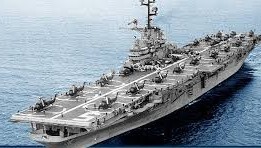 The training continued to intensify. With just a few days to go we loaded onto CH-46 helicopters in teams of 16. Once a helicopter was loaded, it lifted up and headed out to sea. Once out over the horizon we saw for the first time an aircraft carrier. An amphibious assault carrier for helicopters called an LPH (Landing Platform Helicopter). This was the LPH 5, the USS Princeton. One by one the helicopters landed on the flight deck and the fully equipped Marines off loaded. We were led by sailors below decks to our quarters – a large compartment with crude double bunks – metal frames with stretched canvas supported by chains. By the time all the helicopters had landed and unloaded their Marines, our huge compartment was packed. This operation is called vertical envelopment – an assault technique developed by the Marine Corps. Before the sun set, all we could see in all 360 degrees was Pacific Ocean.
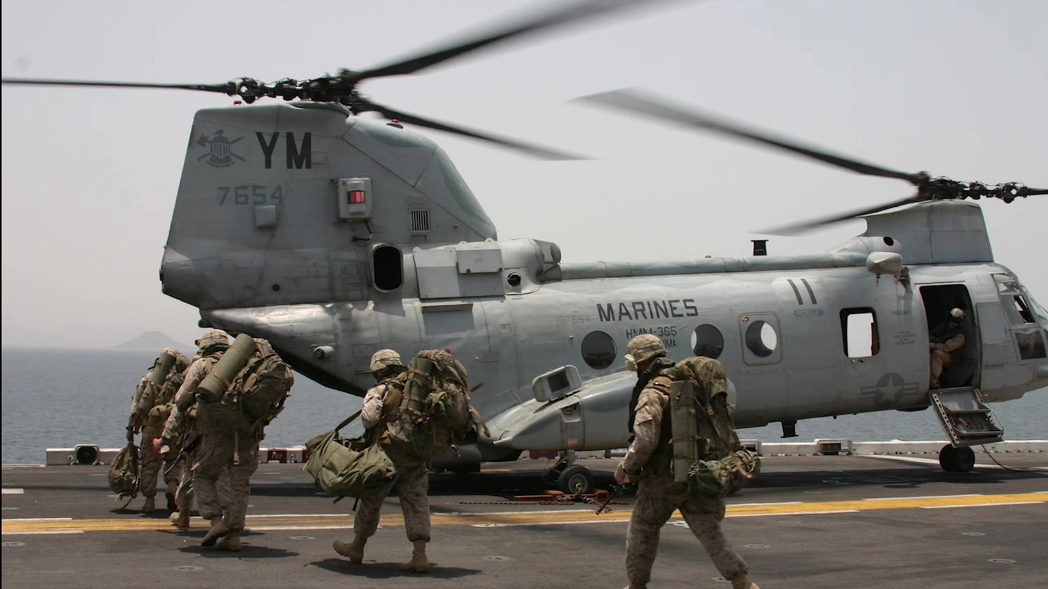 We spent the rest of the day and night on the ship including chow. We were awakened at 0300 (3am), had morning chow, returned to our compartment and packed up. With the sun just beginning to rise, we boarded the helicopters again in our 16-man teams and flew toward Camp Pendleton. Once we began to land at our LZ (landing zone), we spread out in a defensive perimeter. Once our company had all landed, we began our pre-planned maneuvers. We assaulted all day and into the night into the rugged mountains. As darkness approached, we formed a perimeter and dug in with our entrenching tools. As darkness fell, it began to get really cold. We heated up our C-ration meal with our heat tab and our make-shift stove. Paired up, we split the night into 2 hours on, 2 hours off.
As the sun rose, we ate a C-ration meal then packed up. We hiked out of the mountains to a meeting point where trucks waited for us. The multiple companies who had participated in the vertical envelopment operation boarded the trucks. Everyone looked filthy and exhausted. The trucks took us back to our huts.
We had 2 hours to clean up our rifle and our gear and be ready for inspection. With the end of inspection, our month course was over and we had weekend liberty.
On the following Monday morning, we were each given our orders based on our MOS (Military Occupational Speciality) – our job in the Marine Corps – Air Wing, or computers, or infantry, etc. Then we all left on 2 weeks leave to scatter across the United States west of the Mississippi. Following leave, we each would report to our permanent duty station. Being a 6-month reservist with on a few more weeks to go on active duty, I would come back to Pendleton to play an enemy soldier in war games until my 6 months active duty was up.
Don’t miss our brand new special: buy 2 cases of JDD protein and you get a third case FREE. This will probably be our only special this year so don’t miss it.
Joe